Temperature Control

Reduces electricity costs, moisture loss and carbon footprint with automated control.

Key Benefits

Rapid ROI

Achieve quick returns through energy savings and reduced spoilage.

Peace of Mind

Automated alerts and monitoring ensure consistent grain quality.

Quality Assurance

Maintain optimal grain conditions to meet industry standards.

Understanding Temperature Control

Maintaining the right temperature is crucial for preserving the quality of stored grain. Over time, grain can naturally heat up due to biological activity, leading to spoilage, mold growth, and insect infestations. By monitoring and controlling grain temperature you:

  • Reduce the risk of quality loss.
  • Minimise energy consumption by operating fans only when necessary.
  • Ensure compliance with industry quality standards.

Implementing automated temperature control systems provides peace of mind, knowing that your grain is stored under optimal conditions.

< 15°C - LOW RISK15-19°C - MEDIUM RISK> 20°C - HIGH RISK10oC = TARGET

Stored grain & beans temperature thresholds

  • High risk levels: Fan runtime is optimised by the Ambient Relative Humidity Temperature sensor.
  • Medium risk levels: Fans only operate at night maintaining grain quality while reducing costs.
  • Low risk levels: Fans run periodically to keep grain fresh.
Case study

Daily Savings of up to 75%

Challenge

A 20,000 tonne storage facility faced issues with inconsistent grain quality and grain sticking inside silos. Additionally, limited staff availability made regular temperature checks challenging, especially during the off-season.

Solution

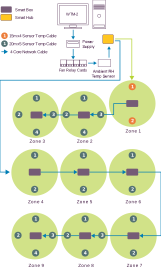
Adesco conducted a comprehensive assessment of the facility’s storage systems. Based on the findings, an optimised aeration system was designed and implemented, incorporating automated temperature monitoring and control.

Results

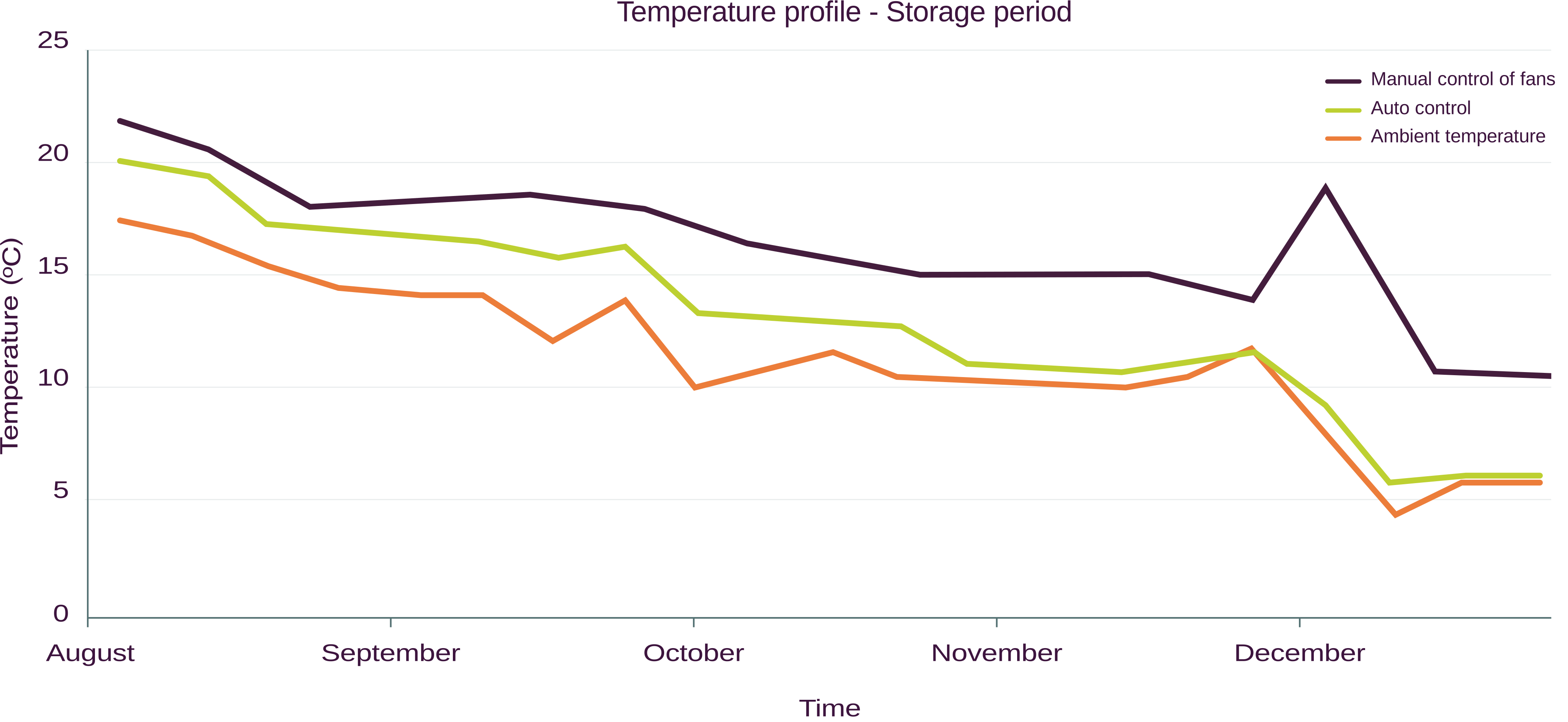
Significant Savings: fan operating hours were reduced by 75%, as the system activated fans only when ambient conditions were favourable. This equates to a saving of €2500 per day immediately after harvest.

Grain quality improved, with temperatures maintained at optimal ranges.

The facility achieved energy savings and enhanced compliance with quality assurance standards.

This case demonstrates how targeted interventions in temperature control can lead to substantial improvements in grain storage efficiency and product quality.

Request a Consultation

Slash Your Energy Costs Today